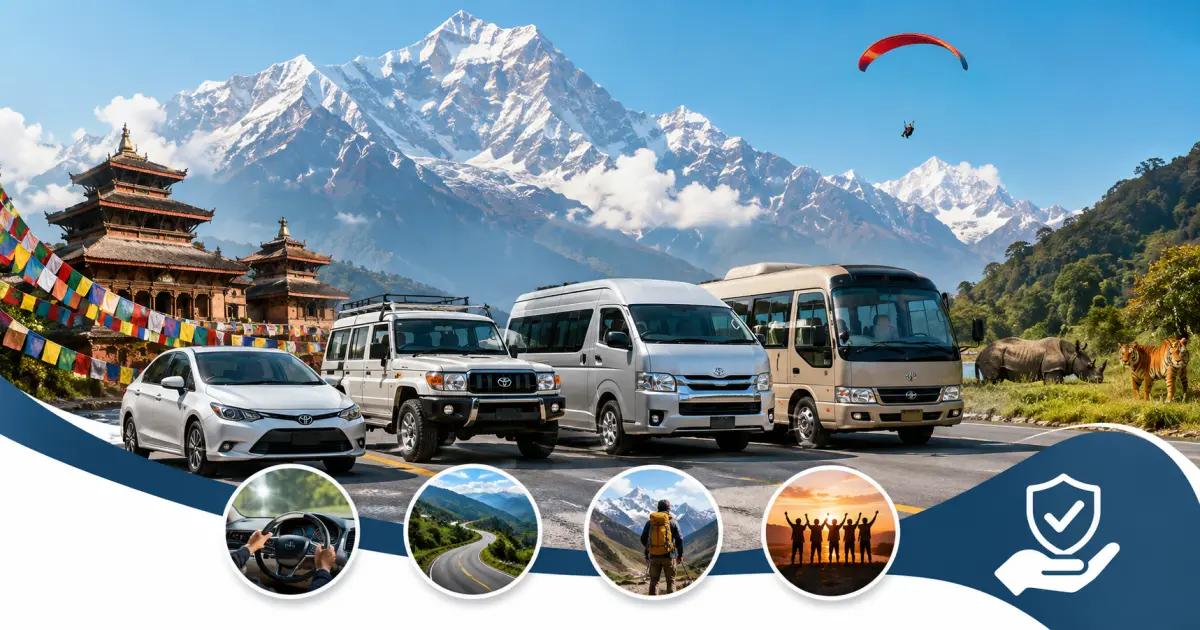
Welcome to the ultimate resource for exploring the breathtaking landscapes, vibrant culture, and unparalleled adventures of Nepal. Whether you're planning your first visit or returning to conquer a new trekking route, this comprehensive guide covers everything you need to know about traveling in Nepal in 2026. From the towering peaks of the Himalayas to the lush jungles of Chitwan, Nepal offers an experience unlike any other. Let’s dive into how you can make your dream Nepal holiday a reality with the trusted local expertise of Nepal Explore Vehicle.
.png)
Why Visit Nepal?
Nepal is a land of striking contrasts and profound beauty. It’s where ancient traditions seamlessly blend with extreme natural landscapes. But why should Nepal be your next travel destination?
1 The Himalayas: Home to eight of the world’s fourteen highest peaks, including Mount Everest.
2. Cultural Tapestry: A melting pot of Hinduism and Buddhism with stunning ancient temples, stupas, and monasteries.
3. Biodiversity: Incredible wildlife ranging from Royal Bengal tigers and one-horned rhinos to snow leopards.
4. Adventure Capital: World-class trekking, white-water rafting, paragliding, and bungee jumping.
5. Warm Hospitality:The Nepalese people are renowned worldwide for their genuine warmth and friendliness.
Nepal is incredibly safe for solo travelers and female travelers. The local phrase "Atithi Devo Bhava" translates to "The guest is equivalent to God," a philosophy deeply ingrained in Nepalese culture.
Quick Facts About Nepal
* Capital:Kathmandu
* Language: Nepali (English is widely understood in tourist areas)
* Currency: Nepalese Rupee (NPR)
* Time Zone: GMT+5:45
* Religion: Predominantly Hinduism, followed by Buddhism.
* Geography: Ranges from 59 meters (194 ft) to 8,848.86 meters (29,031.7 ft) above sea level.
Best Time to Visit Nepal
Choosing the right time to visit is crucial for a successful trip, especially if you plan on trekking or going on a safari.
Nepal Weather by Season
1. Autumn (September to November) - Best Overall
Autumn is the peak tourist season in Nepal. The monsoon rains have cleared the skies, offering crystal-clear mountain views and pleasant daytime temperatures.
*Ideal for: Trekking (Everest Base Camp Trek, Annapurna Base Camp Trek), cultural tours, and photography.
2. Spring (March to May) - Best for Nature Lovers
Spring brings warmer weather and blooming rhododendron forests. The mountain views are generally excellent, though slight haze can appear later in May.
Ideal for: Hiking in Nepal, wildlife safaris, and high-altitude trekking.
3. Winter (December to February) - Best for Quiet Travel
While high-altitude treks can be brutally cold and some passes may close, winter offers clear skies and fewer crowds.
Ideal for: Low-altitude treks (like the Ghorepani Poon Hill Trek), Kathmandu Sightseeing, Chitwan Jungle Safari, and Lumbini visits.
4. Summer / Monsoon (June to August) - Best for Rain Shadow Areas
The monsoon brings heavy rains, making most trekking routes muddy and obscured by clouds. However, this is the time when the valleys are lush and green.
Ideal for: Trekking in rain-shadow regions like Upper Mustang and Dolpo, or agricultural tourism.
If you want to avoid the crowds but still want decent weather, consider traveling in the "shoulder seasons" like late February or early December.
Visa Information
Obtaining a visa for Nepal is relatively hassle-free for most nationalities.
* On Arrival: Tourist visas are available on arrival at Tribhuvan International Airport (Kathmandu) and at land borders.
* Duration & Cost: Visas are typically available for 15 days ($30), 30 days ($50), and 90 days ($125). *Prices are subject to change.*
* Requirements: A passport valid for at least six months and a passport-sized photo (though digital kiosks at the airport now capture your photo).
*Travel Hack:Fill out the online visa application form before you arrive to skip the long kiosk lines at the airport!
Currency & Budget Guide
Nepal is a very budget-friendly destination, though luxury options are increasingly available.
* Currency: Nepalese Rupee (NPR).
* ATMs: Widely available in Kathmandu and Pokhara. However, they are rare on trekking routes.
* Credit Cards: Accepted in major hotels, upscale restaurants, and large tour agencies. Always carry cash for small purchases, teahouses, and local transport.
Estimated Daily Budgets:
* Backpacker/Budget: $25 - $40 per day
* Mid-Range: $50 - $100 per day
* Luxury: $150+ per day
Things to Avoid: Do not rely on large denomination notes (like 1000 NPR) when buying small items from street vendors or in remote villages; change is often hard to come by.
Transportation in Nepal
Navigating Nepal can be an adventure in itself. The terrain is rugged, and the roads can be challenging.
Vehicle Rental Guide
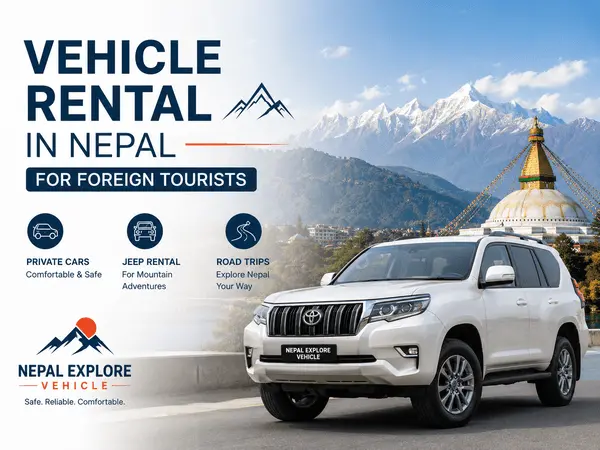
While local buses are incredibly cheap, they are often crowded, slow, and lack air conditioning. For comfort, safety, and flexibility, renting a vehicle is highly recommended.
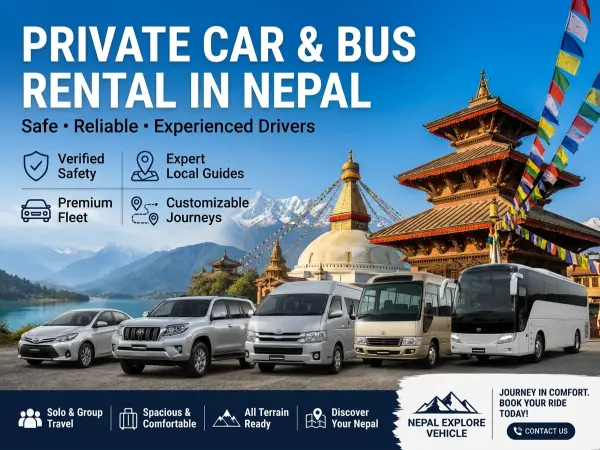
Options Available via [Nepal Explore Vehicle](#):
1. Car Rental: Perfect for couples or solo travelers navigating the Kathmandu Valley or driving the smooth highway to Pokhara.
2. Jeep Rental: Essential for off-road adventures, remote trekking trailheads, and regions like Mustang or Manang.
3. Hiace & Bus Rental: The best choice for family holidays, large groups, and corporate retreats.
4. Airport Transfers: Start your trip stress-free with a pre-booked, comfortable ride from Tribhuvan International Airport to your hotel.
Why Hire a Private Vehicle?
* Comfort & Safety: Modern vehicles with AC and experienced local drivers who know the challenging terrain.
* Flexibility: Stop whenever you want for a photo, a meal, or a quick detour.
* Time-Saving: Avoid the unpredictable schedules of public transport.
* Local Expertise: Your driver often doubles as a fantastic local guide, offering insights you won’t find in guidebooks.
Planning a road trip? Check out our Car Rental Nepal or Jeep Rental services for the best rates and reliable drivers.
Best Places to Visit
Nepal is more than just mountains. Here are the top destinations you must include in your Nepal itinerary.
1. Kathmandu
The capital city is a sensory overload of sights, sounds, and smells. It’s a living museum where ancient temples stand alongside bustling modern streets.
* Highlights: Swayambhunath (Monkey Temple), Boudhanath Stupa, Pashupatinath Temple, and the historic Durbar Squares of Kathmandu, Patan, and Bhaktapur.
2. Pokhara
Known as the tourist capital of Nepal, Pokhara is the gateway to the Annapurna region. Set beside the serene Phewa Lake with the Machhapuchhre (Fishtail) mountain looming in the background, it’s the perfect place to relax before or after a trek.
* Highlights: Boating on Phewa Lake, Peace Pagoda, Sarangkot sunrise, Paragliding.
3. Chitwan
Step into the wild in Chitwan National Park, a UNESCO World Heritage site. It’s one of the best places in Asia for wildlife viewing.
* Highlights: Elephant or Jeep safaris, spotting one-horned rhinos, Bengal tigers, and crocodiles; experiencing Tharu culture.
4. Lumbini
The birthplace of Lord Buddha and one of the world's most important spiritual sites.
* Highlights: Maya Devi Temple, the Sacred Garden, and numerous international monasteries.
5. Everest Region (Khumbu)
The ultimate destination for mountain lovers. It offers rugged trails, Sherpa culture, and unparalleled views of the world's highest peaks.
* *Highlights: Namche Bazaar, Tengboche Monastery, Everest Base Camp, Kala Patthar.
6. Annapurna Region
The most popular trekking region in Nepal, offering incredible diversity in landscapes, from subtropical forests to high-alpine deserts.
* Highlights: Annapurna Base Camp, Thorong La Pass, Poon Hill.
7. Langtang Region
Often referred to as the "valley of glaciers," Langtang is easily accessible from Kathmandu and offers stunning alpine scenery and Tibetan-influenced culture.
8. Mustang
A former kingdom that feels more like Tibet than Nepal. Upper Mustang is a high-altitude desert renowned for its striking red cliffs and ancient Buddhist caves.
9. Rara Lake
Nepal’s largest lake, located in the remote northwest. It’s a pristine, off-the-beaten-path destination surrounded by pine forests and snow-capped peaks.
10. Ilam
The tea capital of Nepal, located in the far east. Famous for its rolling tea gardens, misty landscapes, and tranquil environment.
Best Trekking Routes
Trekking in Nepal is legendary. Here are the top routes based on different experience levels:
1. Everest Base Camp Trek:The classic 12-14 day journey to the foot of the world's highest mountain. (Strenuous)
2. Annapurna Base Camp Trek: A 7-10 day trek into the heart of the Annapurna Sanctuary, surrounded by towering peaks. (Moderate)
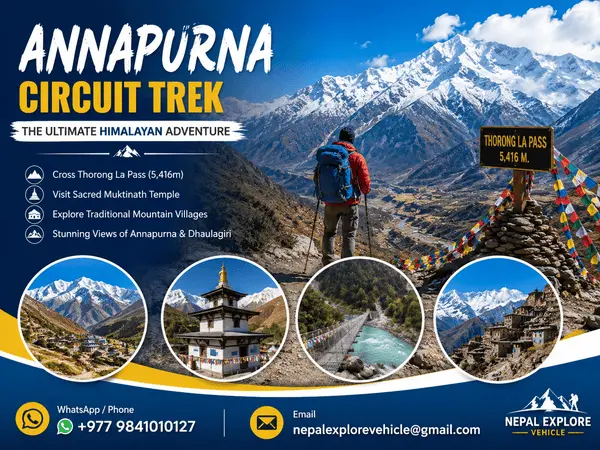
3. Annapurna Circuit: A 14-21 day epic journey crossing the formidable Thorong La Pass. (Strenuous)
4. Langtang Trek: A 7-9 day trek offering beautiful alpine valleys and yak pastures, relatively close to Kathmandu. (Moderate)
5. Ghorepani Poon Hill Trek: A short 4-5 day trek perfect for beginners and families, offering stunning sunrise views over the Annapurnas. (Easy to Moderate)
6. Manaslu Circuit Trek: A 14-16 day remote and rugged alternative to the Annapurna Circuit. (Strenuous)
Best Hiking Trails
If you don't have the time or stamina for a multi-day trek, Nepal offers excellent day hikes, particularly around Kathmandu and Pokhara.
* Champadevi Hike (Kathmandu): A beautiful forest hike offering panoramic views of the Kathmandu Valley and the central Himalayas.
* Shivapuri Peak (Kathmandu): A challenging day hike through a national park, ending with sweeping mountain views.
* Sarangkot Hike (Pokhara): A relatively easy hike starting from the lakeside, culminating in one of the best sunrise viewpoints in Nepal.
* Australian Camp (Pokhara): A lovely 1-2 day hike offering close-up views of the Annapurna range.
Best Adventure Activities
Nepal is a playground for thrill-seekers.
* White Water Rafting: The Trishuli, Bhote Koshi, and Sun Koshi rivers offer some of the best rapids in the world.
* Bungee Jumping: Jump into the spectacular Bhote Koshi river gorge—one of the highest bungee jumps on the planet.
* Paragliding: Soar above Phewa Lake in Pokhara alongside eagles, with the Annapurna mountains as your backdrop.
* Jungle Safari: Explore the dense jungles of Chitwan or Bardia on a jeep safari.
* Mountain Biking: From the trails around Kathmandu Valley to the rugged terrain of Mustang, Nepal is a mountain biker's dream.
Wildlife Experiences
Beyond the mountains, Nepal's southern plains (the Terai) boast incredible biodiversity.
* Chitwan National Park: The most accessible park, famous for its population of one-horned rhinoceroses and a high chance of spotting the elusive Royal Bengal Tiger.
* Bardia National Park: More remote and less crowded than Chitwan, Bardia offers a wilder experience and excellent tiger-spotting opportunities.
* Koshi Tappu Wildlife Reserve: A haven for bird watchers and home to the endangered wild water buffalo (Arna).
Cultural Experiences
* Homestays: Experience genuine Nepalese hospitality by staying with a local family in villages like Panauti or Sirubari.
* Cooking Classes: Learn to make *momo* (dumplings) or *dal bhat* (lentil soup and rice) in Kathmandu or Pokhara.
* Meditation and Yoga: Join a retreat in the peaceful surroundings of the Kathmandu Valley or overlooking the lakes in Pokhara.
* Festivals: Time your visit to coincide with colorful festivals like Dashain, Tihar (the festival of lights), or Holi (the festival of colors).
UNESCO World Heritage Sites
Nepal boasts 10 UNESCO World Heritage sites.
* Kathmandu Valley (7 sites): Kathmandu Durbar Square, Patan Durbar Square, Bhaktapur Durbar Square, Swayambhunath, Boudhanath, Pashupatinath, and Changu Narayan.
* Outside Kathmandu: Lumbini (Birthplace of Buddha), Chitwan National Park, and Sagarmatha (Everest) National Park.
Nepal Food Guide
Nepalese food is hearty, flavorful, and heavily influenced by its neighbors, India and Tibet.
* Dal Bhat: The national dish. Lentil soup served with rice, vegetable curries, pickles, and sometimes meat. *Locals say: "Dal Bhat Power, 24 Hour!"*
* Momo: Delicious steamed or fried dumplings filled with meat or vegetables, served with a spicy dipping sauce.
* Thukpa: A warming Tibetan-style noodle soup, perfect for cold nights in the mountains.
* Sel Roti: A traditional sweet, ring-shaped rice bread/doughnut, often eaten during festivals.
* Yomari: A Newari delicacy; a steamed dumpling with a sweet filling of chaku (molasses) or khuwa (dairy).
Safety Tips
Nepal is generally a very safe country, but standard travel precautions apply.
* Altitude Sickness: The biggest risk when trekking. Always acclimatize properly, stay hydrated, and don't rush your ascent. If you experience symptoms (headache, nausea, dizziness), descend immediately.
* Water Safety: Never drink tap water. Stick to bottled, boiled, or purified water.
* Street Dogs: While mostly docile, avoid petting stray dogs to prevent the risk of rabies.
* Trekking Safety: Never trek alone in remote areas. Always hire a guide or porter, and inform someone of your itinerary.
Checklist: What to Pack in Your First Aid Kit:
- Band-aids and blister pads
- Ibuprofen or Paracetamol
- Loperamide (Imodium) for stomach bugs
- Diamox (Acetazolamide) for altitude sickness prevention
- Water purification tablets
- Antiseptic cream
Packing List
Your packing list will vary wildly depending on your itinerary (jungle safari vs. high-altitude trek), but here are the essentials:
General:
* Reusable water bottle with a built-in filter
* Universal power adapter
* Power bank (electricity can be unreliable in the mountains)
* Sunscreen, sunglasses, and a wide-brimmed hat
* Modest clothing for temple visits (cover shoulders and knees)
For Trekking:
* Sturdy, broken-in hiking boots
* Layered clothing (moisture-wicking base layers, insulating mid-layers, waterproof/windproof outer layer)
* Good quality sleeping bag (can be rented in Kathmandu)
* Trekking poles
* Headlamp
Internet & SIM Cards
Staying connected in Nepal is easier than ever.
* SIM Cards: Pick up an NTC (Nepal Telecom) or Ncell SIM card at the airport or in the city. Ncell generally has better data coverage in cities, while NTC is often better in remote trekking areas.
* WIFI: Widely available and generally free in hotels, cafes, and restaurants in major cities. On trekking routes, you will usually have to pay a small fee for Wi-Fi access at teahouses, and speeds will be slow.
Responsible Tourism
* Leave No Trace: Carry out all your trash, especially on trekking trails.
* Avoid Plastic: Use a reusable water bottle and purify your own water rather than buying plastic bottles.
* Respect Local Culture: Ask for permission before taking photos of people, dress modestly, and follow local customs (e.g., walking clockwise around Buddhist stupas).
* Support Local Economy: Buy locally made souvenirs and eat at local family-run restaurants.
Sample Itineraries
Sample 7-Day Itinerary: The Highlights Tour
* Day 1: Arrive in Kathmandu. Transfer to hotel via [Private Airport Transfer](#).
* Day 2: [Kathmandu Sightseeing](#) (Swayambhunath, Patan Durbar Square, Boudhanath).
* Day 3: Drive to Pokhara via [Private Car Rental](#). Evening boat ride on Phewa Lake.
* Day 4: Early morning Sarangkot sunrise. Afternoon visit to Peace Pagoda and Davis Falls.
* Day 5: Drive to Chitwan National Park. Evening cultural show.
* Day 6: Full-day [Chitwan Jungle Safari](#) (canoe ride, jeep safari).
* Day 7: Drive back to Kathmandu for departure.
Sample 10-Day Itinerary: Culture & Short Trek
* Day 1-2: Explore Kathmandu Valley.
* Day 3: Drive or fly to Pokhara.
* Day 4-7: Ghorepani Poon Hill Trek (4 Days). Experience the Himalayas without the extreme altitude.
* Day 8: Relax in Pokhara. Try paragliding.
* Day 9: Drive back to Kathmandu. Souvenir shopping in Thamel.
* Day 10: Departure.
Sample 14-Day Itinerary: The Ultimate Everest Base Camp Trek
* Day 1: Arrive in Kathmandu. Trek preparation.
* Day 2: Fly to Lukla and trek to Phakding.
* Day 3: Trek to Namche Bazaar.
* Day 4: Acclimatization day in Namche.
* Day 5-7: Trek through Tengboche and Dingboche.
* Day 8: Acclimatization in Dingboche.
* Day 9-10: Trek to Lobuche, then to Gorak Shep and Everest Base Camp.
* Day 11: Hike up Kala Patthar for sunrise, then descend to Pheriche.
* Day 12-13: Trek back to Namche, then Lukla.
* Day 14: Fly back to Kathmandu.
Customize your itinerary today! Whether you need a [Kathmandu Sightseeing Tour] or a comprehensive [Nepal Tour Package], Nepal Explore Vehicle has you covered.
Frequently Asked Questions
1. Is Nepal safe for tourists?
Yes, Nepal is widely considered one of the safest countries for travelers. Violent crime is extremely rare, though standard precautions against petty theft should be taken.
2. Do I need to hire a guide for trekking?
As of recent government regulations, independent trekking without a guide is banned in many national parks and conservation areas. It is highly recommended (and often mandatory) to hire a licensed guide for safety, navigation, and to support the local economy.
3. What is the currency in Nepal, and can I use USD?
The local currency is the Nepalese Rupee (NPR). While USD is accepted in some high-end hotels and large trekking agencies, you should use NPR for day-to-day transactions, food, and local transport.
4. How much should I tip my guide and driver?
Tipping is customary and highly appreciated in Nepal. A general rule of thumb is to tip 10-15% in restaurants. For trekking guides and porters, a collective tip of about $15-$20 per day from the group is standard. For private drivers, $5-$10 per day is appreciated.
5. Can I rent a self-drive car in Nepal?
Self-drive car rentals are not common and not recommended due to chaotic traffic, poor road conditions, and local driving habits. Hiring a vehicle with a professional driver through Nepal Explore Vehicle is the safest and most comfortable option.
Final Thoughts
Nepal is a destination that captures the heart and soul of every traveler. Whether you are navigating the chaotic, colorful streets of Kathmandu, finding peace on the tranquil waters of Phewa Lake, standing in the shadow of Mount Everest, or seeking out rhinos in Chitwan, a trip to Nepal is a life-changing adventure.
At Nepal Explore Vehicle, we are dedicated to making your Nepal journey seamless, safe, and unforgettable. With our extensive range of transportation options—from private cars to rugged jeeps—and our expertly crafted tour and trekking packages, we are your trusted local partner.
Ready to start planning your adventure?
Contact Nepal Explore Vehicle today to book your Private Vehicle, secure your Trekking Package, or customize your dream Nepal Holiday. Let’s explore the Himalayas together!