Planning a divine getaway from Kathmandu to Manakamana? Whether you are seeking spiritual fulfillment at the wish-granting temple, looking for the most reliable bus timings, or wanting to book a hassle-free, all-inclusive tour package, we have you covered. Dive into our ultimate travel guide to uncover the best transportation options—including premium private rides with Nepal Explore Vehicle—insider tips for beating the crowds, a perfect 1-day itinerary, and the fascinating history behind Nepal’s most famous cable car ride. Click here to unlock everything you need for a perfect, stress-free Manakamana journey!

The Ultimate Comprehensive Guide: Kathmandu to Manakamana Tour Package & Bus Timings

Are you planning a spiritual, culturally enriching, and adventurous journey from Kathmandu to Manakamana? Whether you are looking for an all-inclusive Manakamana tour package or just trying to figure out the exact Kathmandu to Manakamana bus timings, you have arrived at the ultimate resource.
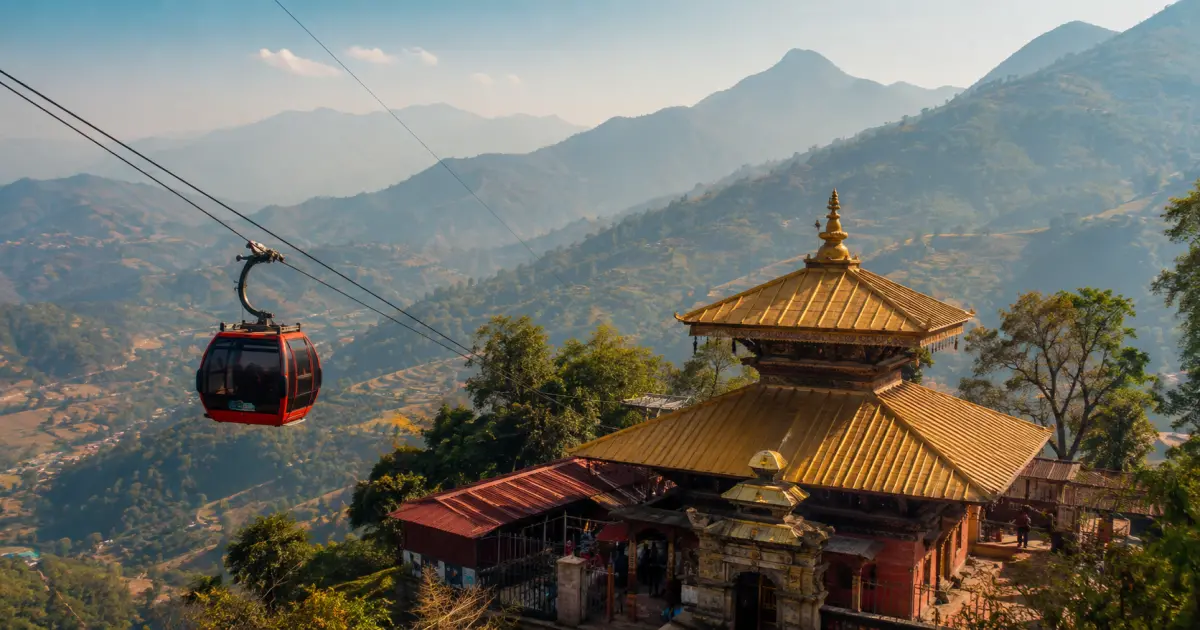
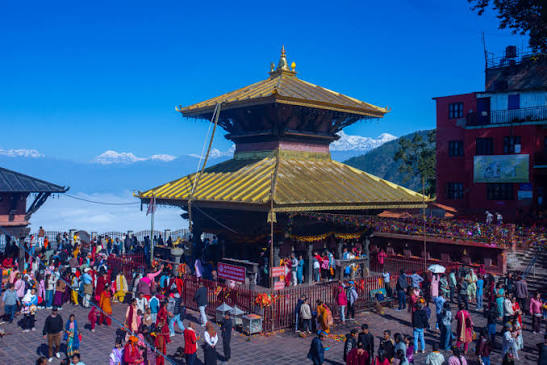
Manakamana Temple, majestically situated on a prominent ridge in the Gorkha district of Nepal, is undeniably one of the most revered and frequently visited Hindu pilgrimage sites in the country. Dedicated to the wish-fulfilling Hindu goddess Bhagwati (an incarnation of Parvati), this sacred temple attracts hundreds of thousands of devotees, tourists, and adventure seekers every single year. The name itself is derived from two words: "Mana" meaning heart or mind, and "Kamana" meaning wish. It is widely believed that the Goddess grants the heartfelt wishes of anyone who makes the pilgrimage to her shrine.
In this extensively detailed,we will cover absolutely everything you need to know about traveling from KTM to Manakamana. We will explore various travel options, delve into the rich history of the temple, review the best packages available (including premium options from Nepal Explore Vehicle), discuss the famous cable car ride, and provide insider tips to ensure your trip is memorable, comfortable, and spiritually fulfilling.
Understanding the Journey: Kathmandu to Manakamana Temple
Before packing your bags, it is essential to understand the logistics of the journey. The distance from Kathmandu to Manakamana (specifically dropping you at the Kurintar cable car base station) is approximately 104 kilometers (about 65 miles).
The route takes you along the famous Prithvi Highway, a lifeline connecting the Kathmandu Valley to the western and southern parts of Nepal. The journey itself is an unforgettable experience, offering stunning, uninterrupted views of the deep green Trishuli River valleys, terraced farmlands, and lush, rolling hills.
Depending on your mode of transportation, the road trip from Kathmandu to Kurintar takes anywhere between 3 to 4.5 hours. From Kurintar, the remainder of the journey to the mountaintop temple is completed via a breathtaking cable car ride.
Why Make the Trip?
- Spiritual Fulfillment: First and foremost, devotees travel here to make offerings and ask for the Goddess's blessings for health, prosperity, and success.
- Spectacular Scenery: The drive along the Trishuli River and the subsequent cable car ride provide some of the best mid-hill views in Nepal.
- Cultural Immersion: The temple courtyard is a vibrant hub of traditional Nepali culture, architecture, and religious practices.
- Weekend Getaway: For residents of the capital, a trip from KTM to Manakamana serves as the perfect one-day or two-day weekend escape from the bustling city.
Transportation Options: How to Get There
When planning your journey, choosing the right mode of transportation is critical. Your choice will dictate your budget, comfort level, and the flexibility of your itinerary.
Option A: Tourist Buses (Budget-Friendly)
Taking a tourist bus is the most popular and budget-friendly way to travel for solo backpackers or small groups.
Kathmandu to Manakamana Bus Timings:
- Most tourist buses and air-conditioned microbuses leave early in the morning.
- Departure Time: Typically between 6:30 AM and 7:30 AM. It is crucial to be at the bus park at least 30 minutes prior to departure.
- Boarding Points: The primary boarding locations in Kathmandu are Sorakhutte (just outside Thamel), Balaju, and Kalanki.
- Travel Time: The bus ride generally takes about 3.5 to 4.5 hours, depending heavily on the traffic on the Prithvi Highway, especially during monsoon season or local festivals.
- Drop-off: The bus will drop you off directly at the Kurintar market area, right across from the Manakamana Cable Car station.
While buses are economical, they offer little flexibility. You cannot ask the driver to stop for photos, and you are bound to their specific rest-stop schedules.
Option B: Private Rental Vehicle (Recommended for Comfort)
If you prioritize comfort, safety, privacy, and flexibility, renting a private vehicle is undoubtedly the best choice. This is where Nepal Explore Vehicle steps in to elevate your travel experience.
By booking a private car, SUV, or a spacious Hiace van through Nepal Explore Vehicle, you take complete control of your itinerary.
- Flexibility: Want to stop at a scenic spot along the Trishuli River for a photo op? No problem. Prefer to leave Kathmandu at 9:00 AM instead of 6:30 AM? You decide.
- Comfort: Enjoy plush seating, excellent air conditioning, and a smooth ride driven by experienced, professional drivers who know the Prithvi Highway intimately.
- Group Travel: If you are traveling with family or a group of friends, splitting the cost of a private jeep or van from Nepal Explore Vehicle can actually be quite economical while providing a VIP experience.
Whether you need a compact car for a couple or a 14-seater tourist coaster for an extended family trip, Nepal Explore Vehicle ensures your journey from KTM to Manakamana is safe, luxurious, and completely stress-free.
Choosing the Best Manakamana Tour Package
For a completely hassle-free, all-inclusive experience, booking a comprehensive Manakamana tour package is highly recommended. Piecing together bus tickets, cable car passes, and lunch stops can sometimes be exhausting. A packaged tour handles all the logistics for you.
What Does a Standard Manakamana Package Include?
When you book a premium Manakamana package with a provider like Nepal Explore Vehicle, you can generally expect the following inclusions:
- Round-Trip Transportation: Pick-up from your hotel or residence in Kathmandu, a comfortable drive to Kurintar, and the return journey back to Kathmandu on the same day (or the next day if you opt for an overnight package).
- Cable Car Tickets: Pre-booked, two-way tickets for the Manakamana Cable Car, saving you from standing in the often incredibly long ticketing queues at Kurintar.
- Meals: High-quality breakfast and/or lunch at hygienic, highly-rated highway restaurants (like the popular Riverside Springs Resort or local authentic Thakali kitchens).
- Dedicated Driver/Guide: A professional driver who acts as an informal guide, ensuring your safety and helping you navigate the crowds at the cable car station.
Types of Packages
- 1-Day Express Package: Ideal for those tight on time. You leave Kathmandu early morning, reach Kurintar by 10 AM, visit the temple, have lunch, and return to Kathmandu by 5 or 6 PM.
- 2-Day Leisure Package (with overnight stay): This package allows you to travel at a relaxed pace. After visiting the temple, you can spend the night at a riverside resort in Kurintar, enjoying swimming, nature walks, or even white-water rafting on the Trishuli River before heading back to Kathmandu the next day.
By customizing your Manakamana tour package with Nepal Explore Vehicle, you ensure that your religious trip is perfectly balanced with comfort and leisure.
The Famous Manakamana Cable Car Experience
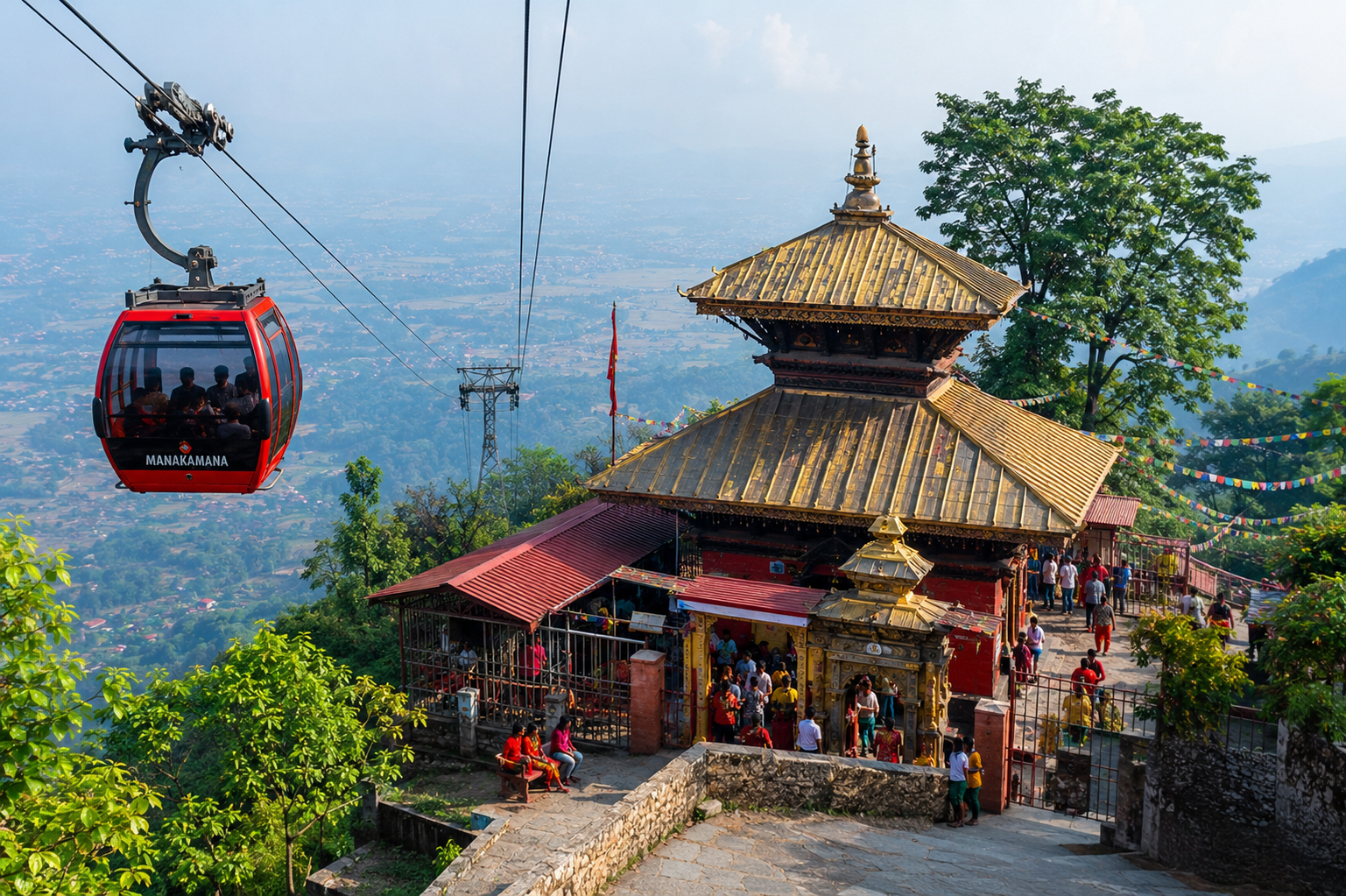
No guide to the Kathmandu to Manakamana temple journey is complete without detailing the iconic cable car ride. Before the late 1990s, pilgrims had to endure a strenuous 3 to 4-hour uphill trek from the river valley to reach the temple. In 1998, the Manakamana Cable Car—Nepal's first-ever passenger cable car system—was inaugurated, revolutionizing the pilgrimage.
Key Facts About the Cable Car:
- Starting Point: Cheres, Kurintar (Altitude: 258 meters).
- Ending Point: Manakamana Temple Station (Altitude: 1,302 meters).
- Distance: 2.8 kilometers in a straight, inclined line.
- Duration: The ride takes approximately 10 to 12 minutes.
- Capacity: Each gondola can comfortably seat 6 passengers.
- Technology: Imported from Austria, ensuring world-class safety standards.
The Experience
As the gondola departs the Kurintar station, it rapidly ascends over the Trishuli River. The view of the turquoise river cutting through the deep green gorge is spectacular. As you climb higher, the terraced fields of local villages come into view. You will glide over dense, temperate forests, often spotting local wildlife and traditional stone-roofed houses.
On a clear day, especially during the autumn and winter months, the top of the cable car ride offers majestic, panoramic views of the Manaslu, Himalchuli, and Annapurna mountain ranges to the north. It is a thrilling, scenic, and deeply awe-inspiring transition from the warm river valley to the cool, crisp air of the temple ridge.
History and Significance of the Manakamana Temple
To truly appreciate your journey from KTM to Manakamana, it is vital to understand the profound history and mythology surrounding the temple.
The Legend of the Goddess
The legend of Manakamana dates back to the 17th century, during the reign of the Gorkha King Ram Shah. According to local folklore, King Ram Shah's queen possessed divine powers, a secret known only to her spiritual mentor, Siddha Lakhan Thapa.
When the King accidentally discovered the Queen in her divine form, he suddenly fell ill and passed away. As per the custom of Sati at the time, the Queen immolated herself on her husband's funeral pyre. Before doing so, she promised her devoted disciple, Lakhan Thapa, that she would return.
Months later, a local farmer plowing his field in the present-day Manakamana village struck a stone, which miraculously began pouring milk and blood. When Lakhan Thapa heard of this, he rushed to the site, performed tantric rituals, and the flow ceased. He recognized this as the reincarnation of the Queen as the Goddess Bhagwati.
A temple was built on that exact spot. To this day, the head priest of the Manakamana Temple must be a descendant of Lakhan Thapa, specifically from the Magar community, making it a unique syncretism of Hindu and indigenous practices.
Temple Architecture and Rituals
The temple is a beautiful, classic Nepali pagoda-style structure featuring four tiers of sweeping, brass-plated roofs. The doors are intricately carved with religious motifs.
Devotees bring offerings ranging from flowers, vermilion (abir), and fruits, to animal sacrifices (primarily goats and pigeons), which are offered in a designated pavilion behind the main temple. If you prefer not to witness sacrifices, it is quite easy to avoid that specific area.
The atmosphere in the temple courtyard is always electric—filled with the ringing of bronze bells, the scent of burning incense, the chanting of priests, and the vibrant colors of devotees dressed in red and gold.
6. Comprehensive 1-Day Itinerary: Kathmandu to Manakamana
If you are planning a one-day trip, here is a highly optimized itinerary. (Note: Booking a private vehicle with Nepal Explore Vehicle makes this schedule much easier to maintain).
06:00 AM: Depart from Kathmandu. (If taking a bus, ensure you are at the bus station by 6:00 AM for the 6:30 AM departure). 08:30 AM: Stop for breakfast at a highway restaurant in Malekhu or Kurintar. Enjoy local tea and freshly made Nepali breakfast. 10:00 AM: Arrive at Kurintar. Purchase cable car tickets (or bypass the queue if they are pre-booked in your package) and board the cable car. 10:15 AM: Arrive at Manakamana village. Walk the short distance to the temple courtyard. 10:30 AM – 12:30 PM: Purchase Puja (worship) materials, wait in line for Darshan (viewing of the deity), offer prayers, and explore the temple surroundings. Take plenty of photographs of the Himalayan ranges. 01:00 PM: Have lunch in Manakamana village. There are dozens of restaurants serving excellent traditional Nepali Dal Bhaat and local delicacies. 02:30 PM: Take the cable car back down to Kurintar. 03:00 PM: Begin the return journey to Kathmandu. 06:30 PM – 07:00 PM: Arrive back in Kathmandu, concluding your spiritual journey.
Essential Travel Tips for Your Manakamana Trip
To ensure your journey from Kathmandu to Manakamana temple goes off without a hitch, keep these expert tips in mind:
Best Time to Visit
- Autumn (September to November): This is arguably the best time. The skies are crystal clear, offering the best mountain views. However, this coincides with major festivals like Dashain, meaning it will be incredibly crowded.
- Spring (March to May): The weather is warm and pleasant, and the hills are covered in blooming rhododendrons.
- Avoid Monsoon (July to August): The Prithvi Highway can be prone to landslides, which may cause significant delays.
What to Pack
- Comfortable Footwear: You will be doing a fair amount of walking on stone-paved paths.
- Layered Clothing: Even if it is hot in Kathmandu or Kurintar, the temperature at the temple altitude can be quite chilly, especially in the morning or late afternoon. Carry a light windbreaker or sweater.
- Cash: While some larger restaurants take digital payments, the small shops selling religious offerings and local snacks in Manakamana village operate almost entirely on cash.
Beating the Crowds
The temple sees massive surges in visitors on Saturdays (the official Nepali day off), Tuesdays, and during the festival of Dashain. If your schedule allows, try to visit on a Monday, Wednesday, or Thursday for a much quieter, more peaceful experience. Furthermore, arriving at the cable car station as soon as it opens (usually 8:00 AM) can save you hours of waiting in line.
Food and Dining
You must try the local oranges if you are traveling in the winter; the Gorkha region is famous for them. For meals, highway stops like Malekhu are famous for local river fish. When booking your ride with Nepal Explore Vehicle, feel free to ask your driver for the best, most hygienic local food recommendations!
Beyond the Temple: Making a Weekend Out of It
If you have the time, you don't have to immediately rush back to Kathmandu. The area around Kurintar offers several excellent activities that you can seamlessly weave into an extended Manakamana tour package.
- Trishuli River Rafting: The Trishuli River is one of Nepal's most popular commercial white-water rafting destinations. You can easily do a half-day rafting trip either before or after your temple visit.
- Riverside Relaxation: Kurintar boasts several luxury riverside resorts featuring large swimming pools, lush gardens, and excellent bars. It is the perfect place to unwind.
- Visit Bandipur: Located just an hour's drive further west from Kurintar, Bandipur is a beautifully preserved traditional Newari town on a ridge. It offers stunning Himalayan views and a peaceful, vehicle-free main street. You can easily ask Nepal Explore Vehicle to customize a Kathmandu - Manakamana - Bandipur itinerary for you.
Frequently Asked Questions (FAQs)
Q: How much does the Manakamana Cable Car ticket cost?
A: Prices vary by nationality. Nepalese citizens, SAARC nationals, and foreigners all have different rate tiers. There are also discounts for students and the elderly (always carry an ID card). It is best to check the official Manakamana Cable Car website for the most up-to-date pricing.
Q: Can elderly people or those with mobility issues make the trip?
A: Yes. The cable car makes the temple highly accessible. From the top station to the temple is a short, relatively flat paved walk. There are no strenuous hikes required unless you choose to do so.
Q: Is there an entrance fee for the temple itself?
A: No, entering the temple courtyard and performing prayers is completely free. You only pay for your transportation, cable car ticket, and any offerings you choose to buy.
Q: How far in advance should I book my Kathmandu to Manakamana bus timings or rental car?
A: During off-peak seasons, booking a day or two in advance is fine. However, during festival times, it is highly recommended to book your Nepal Explore Vehicle or bus tickets at least a week or two in advance.
Conclusion: Why Book with Nepal Explore Vehicle?
A trip from Kathmandu to Manakamana Temple is much more than just a religious pilgrimage; it is an incredible experience filled with stunning natural beauty, cultural depth, and inner peace.
By familiarizing yourself with the exact Kathmandu to Manakamana bus timings, understanding the route, and preparing adequately, you can ensure a smooth journey. However, the ultimate way to guarantee a comfortable, stress-free, and memorable trip is by choosing a customized Manakamana package.
When you book your private transportation with Nepal Explore Vehicle, you are choosing reliability, luxury, and unmatched local expertise. We take the hassle out of travel so that you can focus entirely on the spiritual and scenic beauty of your Manakamana journey.
Are you ready to embark on your divine journey? Whether you need a simple private car drop-off or a fully customized, multi-day Manakamana and Bandipur tour package, we are here to help. Contact Nepal Explore Vehicle today to secure your ride and experience Nepal like never before!
Need Help? Call Us
Latest Travel Blogs
25Aug
Private Car Rental in Nepal: Complete Guide to Prices, Routes & Booking in 2026
Planning to explore Nepal comfortably and on your own schedule? Nepal Explore Vehicle offers reliable private vehicle rental services across Nepal, including cars, 4WD Jeeps, vans, Hiace, Coasters and buses. ...
Read Full Article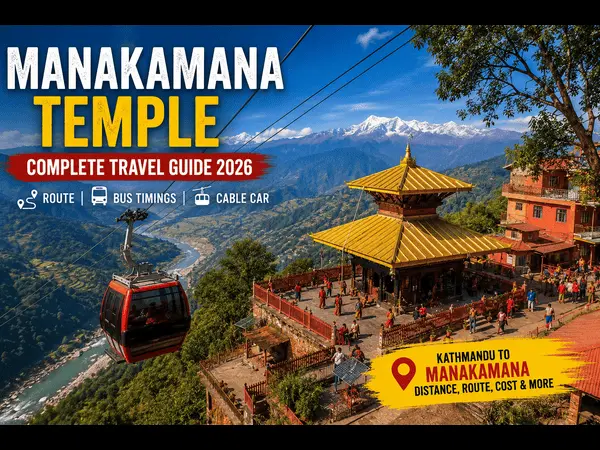
05Aug
Kathmandu to Manakamana 2026: Bus Timings, Vehicle Hire & Cable Car Guide
Traveling from Kathmandu to Manakamana? Here you'll find the distance, road route, bus timings, private vehicle hire options, and cable car experience, along with temple history and practical FAQs. Nepal ...
Read Full Article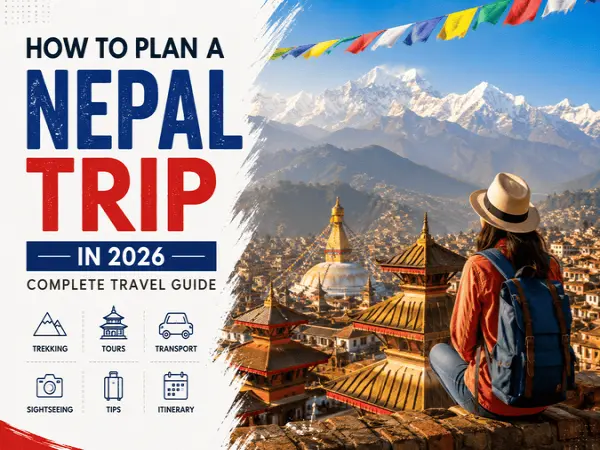
22Jul
How to Plan a Nepal Trip in 2026 | Complete Travel Guide
Nepal is a destination that offers an extraordinary blend of natural beauty, rich culture, thrilling adventures, and warm hospitality. From the towering peaks of the Himalayas to ancient UNESCO World ...
Read Full ArticleOur Affiliations


Need Help? Call Us +977 9841010127