
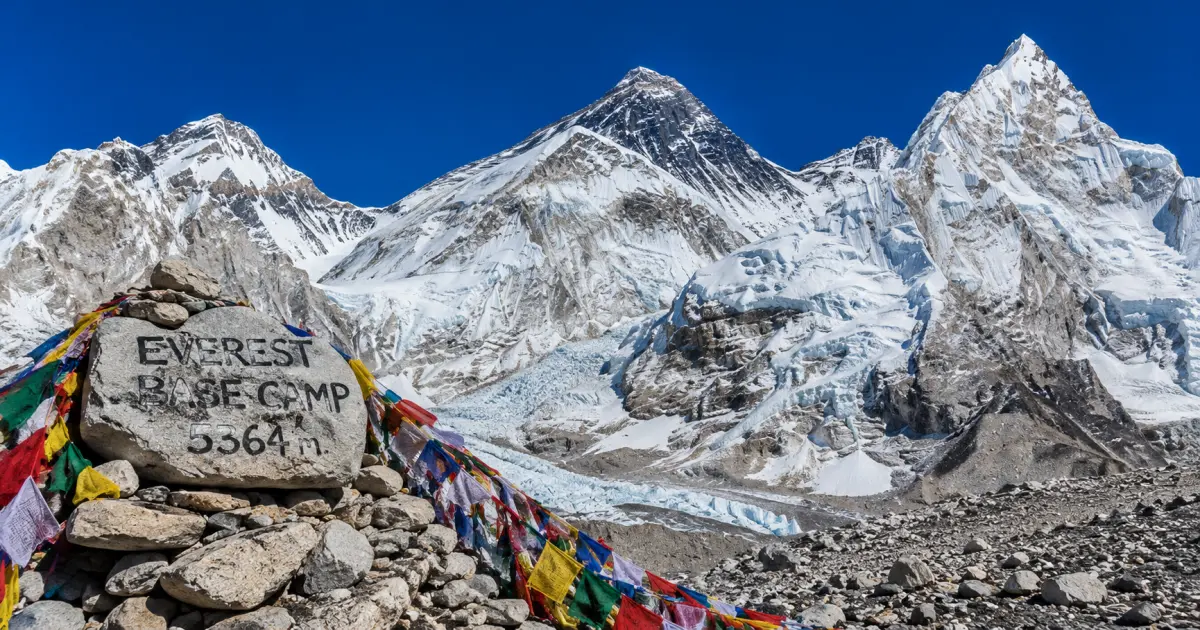
The Everest Base Camp Trek is one of the world's most iconic trekking adventures, taking you through the heart of the Khumbu region to the base of Mount Everest (8,848.86m), the highest mountain on Earth. This unforgettable 14-day journey combines breathtaking Himalayan landscapes, vibrant Sherpa culture, ancient monasteries, and spectacular mountain views.
Organized by Nepal Explore Vehicle, this carefully designed itinerary ensures proper acclimatization while providing trekkers with the ultimate Everest experience. From the thrilling flight to Lukla to standing at Everest Base Camp (5,364m) and witnessing the sunrise from Kala Patthar (5,545m), every day offers a new adventure.
.jpeg)
Trek Highlights
Reach Everest Base Camp (5,364m)
Hike to Kala Patthar (5,545m) for panoramic Everest views
Scenic mountain flight between Kathmandu and Lukla
Explore the famous Sherpa town of Namche Bazaar
Visit the historic Tengboche Monastery
Experience authentic Himalayan culture and hospitality
Walk through Sagarmatha National Park, a UNESCO World Heritage Site
Witness stunning views of Everest, Lhotse, Nuptse, Ama Dablam, Thamserku, and Pumori
Enjoy traditional Nepali farewell dinner with cultural performance
Trip Overview
Trip Name | Everest Base Camp Trek | |
Duration | 14 Days | |
Maximum Elevation | 5,545m (Kala Patthar) | |
Trek Difficulty | Moderate to Challenging | |
Accommodation | Hotel & Tea House | |
Meals | Breakfast, Lunch & Dinner During Trek | |
Starting Point | Kathmandu | |
Ending Point | Kathmandu | |
Best Seasons | Spring & Autumn |
Cost
USD $1,285 Per Person
Group discounts available upon request.
Everest Base Camp Trek Weather & Temperature Guide
Weather in the Everest region varies significantly depending on the season and altitude. Understanding the temperature and conditions before your trek helps you prepare properly and pack the right gear.
Average Weather and Temperature at Everest Base Camp
Season | Months | Day Temperature | Night Temperature | Weather Conditions |
Spring | March – May | -5°C to 15°C | -15°C to -5°C | Clear skies, blooming rhododendrons, excellent mountain views |
Summer/Monsoon | June – August | 5°C to 18°C | -2°C to 5°C | Frequent rainfall, cloudy conditions, lush landscapes |
Autumn | September – November | -5°C to 15°C | -15°C to -5°C | Stable weather, crystal-clear mountain views |
Winter | December – February | -15°C to 10°C | -25°C to -15°C | Cold temperatures, snowfall, fewer trekkers |
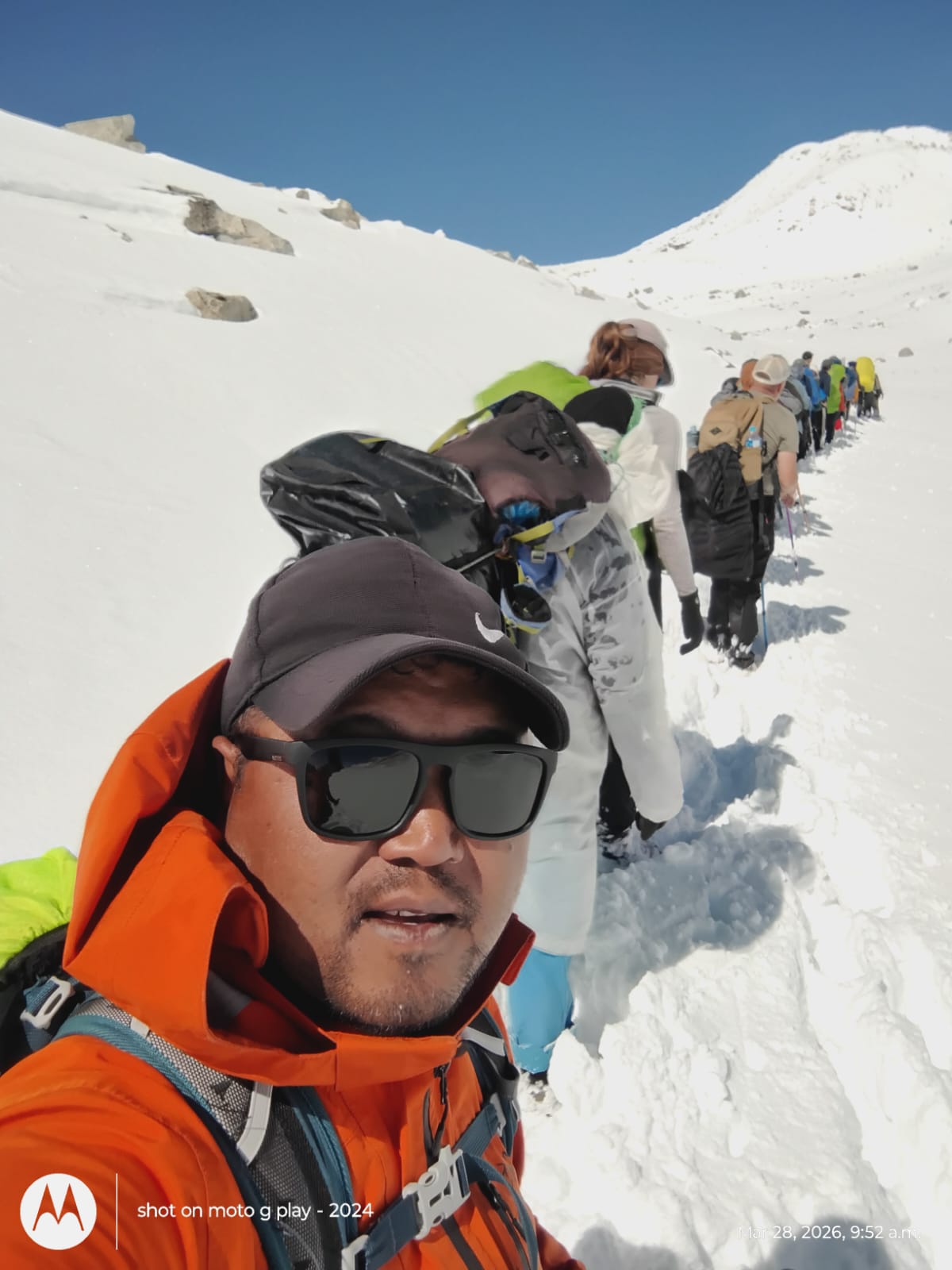
Temperature by Major Trekking Destinations
Location | Elevation | Average Day Temperature | Average Night Temperature |
Kathmandu | 1,350m | 15°C – 30°C | 8°C – 18°C |
Lukla | 2,800m | 8°C – 20°C | 0°C – 8°C |
Phakding | 2,610m | 8°C – 18°C | 0°C – 7°C |
Namche Bazaar | 3,440m | 5°C – 15°C | -5°C – 5°C |
Tengboche | 3,860m | 2°C – 12°C | -8°C – 2°C |
Dingboche | 4,410m | 0°C – 10°C | -10°C – -2°C |
Lobuche | 4,940m | -5°C – 8°C | -15°C – -5°C |
Gorak Shep | 5,164m | -8°C – 5°C | -18°C – -10°C |
Everest Base Camp | 5,364m | -10°C – 5°C | -20°C – -12°C |
Kala Patthar | 5,545m | -12°C – 3°C | -25°C – -15°C |
Best Seasons for the Everest Base Camp Trek
Spring (March to May)
Spring is one of the most popular seasons for the Everest Base Camp Trek. Trekkers enjoy mild temperatures, blooming rhododendron forests, and clear mountain views. This season is also popular among Everest climbers preparing for summit expeditions.
Autumn (September to November)
Autumn is widely regarded as the best season for trekking to Everest Base Camp. Stable weather, excellent visibility, and comfortable temperatures make it ideal for both beginners and experienced trekkers.
Winter (December to February)
Winter offers peaceful trails and spectacular snow-covered landscapes. However, temperatures can drop significantly, especially at higher elevations.
Monsoon (June to August)
The monsoon season brings rain to lower elevations and occasional cloud cover. While trekking is still possible, mountain views may be limited and trails can become slippery.
What Weather Challenges Should Trekkers Expect?
Strong winds above 4,000 meters
Rapid weather changes in high-altitude areas
Freezing temperatures during the night
Snowfall during winter months
Increased UV exposure due to altitude
Occasional flight delays to and from Lukla because of weather conditions
Proper clothing, layered insulation, waterproof gear, and a quality sleeping bag are essential for a comfortable Everest Base Camp Trek experience.
Food and Accommodation
Tea houses along the trail provide comfortable lodging and freshly prepared meals.
Popular meals include:
Dal Bhat
Fried Rice
Noodles
Pasta
Soups
Pancakes
Tea and Coffee
Accommodation generally includes twin-sharing rooms with shared bathroom facilities at higher elevations.
Internet, Electricity & Mobile Network
Service | Availability |
Wi-Fi | Available in most tea houses |
Electricity | Available with charging fee |
Mobile Network | NTC & Ncell available in many areas |
Internet Cost | Extra charge at higher elevations |
Everest Base Camp Trek Difficulty
The Everest Base Camp Trek is considered moderately challenging. Trekkers walk between 5–8 hours daily while gradually ascending to high altitudes.
Good physical fitness is recommended, but previous trekking experience is not mandatory.
Altitude Sickness Prevention
To reduce the risk of altitude sickness:
Walk slowly
Stay hydrated
Avoid alcohol
Follow acclimatization days
Eat nutritious meals
Inform your guide of any symptoms
Common symptoms include headache, nausea, dizziness, and shortness of breath.
Essential Packing List
Clothing
Down Jacket
Thermal Base Layers
Waterproof Jacket
Trekking Pants
Warm Gloves
Woolen Hat
Footwear
Trekking Boots
Camp Shoes
Warm Socks
Equipment
Sleeping Bag
Trekking Poles
Sunglasses
Water Bottle
Headlamp
Power Bank
Personal Items
Sunscreen
Lip Balm
Personal Medication
Passport Copies
Why Choose Nepal Explore Vehicle?
Experienced local trekking experts
Competitive pricing
Professional licensed guides
Safety-focused itineraries
Personalized service
Excellent customer support
Authentic Himalayan experiences
Frequently Asked Questions
How difficult is the Everest Base Camp Trek?
The trek is moderately challenging and suitable for trekkers with reasonable fitness levels.
What is the highest point of the trek?
Kala Patthar at 5,545 meters.
Do I need previous trekking experience?
Previous trekking experience is helpful but not mandatory.
Is travel insurance required?
Yes, comprehensive travel insurance covering high-altitude trekking is strongly recommended.
What permits are required?
Sagarmatha National Park Permit and TIMS Card.
What accommodation is provided?
Hotels in Kathmandu and tea houses during the trek.
Book Your Everest Base Camp Adventure Today
Join Nepal Explore Vehicle for an unforgettable journey to Everest Base Camp. Experience breathtaking Himalayan landscapes, rich Sherpa culture, and the achievement of reaching one of the world's most famous trekking destinations.


